Great Ocean Road & Twelve Apostles Guide From Melbourne and History Wildlife Tours
- Wild Side Melbourne

- 6 days ago
- 6 min read
The Great Ocean Road is more than a coastal drive. It is a 243-kilometre road, a National Heritage listed place, a living war memorial, a wildlife corridor, and one of the most visited day trip routes from Melbourne.
This guide explains where it is, why it matters, how the Twelve Apostles formed, what to expect on a day tour, and how to visit with care.

What is the Great Ocean Road?
The Great Ocean Road is a scenic coastal road in Victoria, Australia. It runs along the south-west coast and passes beaches, rainforest, cliffs, surf towns, shipwreck sites, wildlife habitats, and limestone formations.
It is not one single lookout. It is a long coastal route with many stops, including:
Torquay and Bells Beach
Anglesea
Aireys Inlet
Lorne
Apollo Bay
Cape Otway
Gibson Steps
Twelve Apostles
Loch Ard Gorge
Port Campbell
For many visitors, the main goal is to see the Twelve Apostles, but the road itself is a major part of the experience.
Where is the Great Ocean Road?
The Great Ocean Road is in south-west Victoria. It begins near Torquay, about 100 kilometres from central Melbourne, and continues west to Allansford, near Warrnambool.
Most Melbourne day trips focus on the section between Torquay, Apollo Bay, and Port Campbell National Park. This includes the coast road, rainforest areas, and the famous limestone cliffs near the Twelve Apostles.
How long is the Great Ocean Road?
The official length of the Great Ocean Road is about 243 kilometres.
A direct drive from Melbourne to the Twelve Apostles takes several hours each way, depending on traffic, stops, weather, and road conditions. A full Great Ocean Road day trip from Melbourne is usually a long day, often around 12 hours or more.
The history of the Great Ocean Road
Why was the Great Ocean Road built?
The Great Ocean Road was built to connect isolated coastal communities and improve transport along Victoria’s rugged south-west coast. Before the road, many towns relied on sea transport or difficult inland tracks.
The project also created employment for returned servicemen after the First World War.
Who built the Great Ocean Road?
Returned First World War servicemen built much of the road by hand between 1919 and 1932. The work was hard and often dangerous. Workers used picks, shovels, explosives, carts, and basic machinery to cut the road into cliffs and hillsides.
Why is it considered a war memorial?
The Great Ocean Road is widely recognised as the world’s largest war memorial. It honours Australians who served and died in the First World War, and it was built by many who returned from that conflict.
The Memorial Arch at Eastern View marks this history. It is one of the most photographed stops on the route, but it is also a place of remembrance.
National Heritage significance
The Great Ocean Road was added to Australia’s National Heritage List because of its historic, social, scenic, and cultural value. Its heritage significance includes its war memorial status, engineering achievement, coastal scenery, and role in Australian tourism.
Aboriginal and Traditional Owner connections
The Great Ocean Road travels through Country with deep Aboriginal history. Traditional Owner groups connected with the region include Wadawurrung, Eastern Maar, and Gunditjmara peoples, among others.
These connections long pre-date the road. The coast, rivers, forests, wetlands, and volcanic plains have cultural, spiritual, and practical significance. Visitors should treat the area as a living cultural landscape, not only a scenic route.
That means staying on marked tracks, respecting signs and closures, not removing natural or cultural material, and learning from Traditional Owner-led interpretation where available.

Great Ocean Road geography and geology
The route moves through several different landscapes. Near Torquay and Anglesea, the coast has surf beaches and heathland. Around Lorne and Apollo Bay, the road hugs steep forested slopes where the Otway Ranges meet the sea. West of Cape Otway, the coastline becomes more dramatic, with high limestone cliffs and powerful Southern Ocean swell.
How the Twelve Apostles were formed
The Twelve Apostles are limestone sea stacks. They formed over millions of years as waves, wind, rain, and salt attacked the soft limestone cliffs.
The process follows a clear sequence:
Waves cut caves into the cliffs.
Caves widened into arches.
Arches collapsed, leaving isolated stacks.
Stacks kept eroding and eventually fell.
This is still happening today.
Why are there no longer twelve Twelve Apostles?
The name “Twelve Apostles” is partly a tourism name. The formations were once known as the Sow and Piglets. There were not always twelve clearly visible stacks from the main viewing area, and erosion has caused some stacks to collapse.
Several limestone stacks remain, while others have fallen or changed shape. This is normal for a coast made from relatively soft limestone.
What is coastal erosion?
Coastal erosion is the wearing away of land by waves, weather, tides, and wind. Along the Shipwreck Coast, erosion is active and powerful. Cliffs can be unstable, which is why viewing platforms, fences, and beach closure signs matter.
The Shipwreck Coast, Loch Ard Gorge, and Gibson Steps
What is the Shipwreck Coast?
The Shipwreck Coast is the dangerous stretch of coastline in south-west Victoria known for rough seas, hidden reefs, strong winds, and many historic shipwrecks. It is usually associated with the coast around Cape Otway, Port Campbell, and beyond.
The same conditions that make the coast beautiful also made it hazardous for sailing ships.
Loch Ard Gorge and the Loch Ard shipwreck
Loch Ard Gorge is named after the ship Loch Ard, which wrecked near Mutton Bird Island in 1878. Only two people survived, Tom Pearce and Eva Carmichael.
Today, Loch Ard Gorge is one of the key stops near the Twelve Apostles. It has cliffs, a sheltered beach, sea caves, and signs explaining the shipwreck story.
Gibson Steps
Gibson Steps are a set of steps leading down to the beach below high limestone cliffs near the Twelve Apostles. From the beach, visitors can see the scale of the cliffs and nearby stacks.
Access depends on tide, weather, ocean conditions, and cliff safety. If the steps are closed, respect the closure.

Wildlife along the Great Ocean Road
The Great Ocean Road region supports a wide range of wildlife. Commonly seen animals may include koalas, kangaroos, wallabies, echidnas, native birds, and marine life at different times of year.
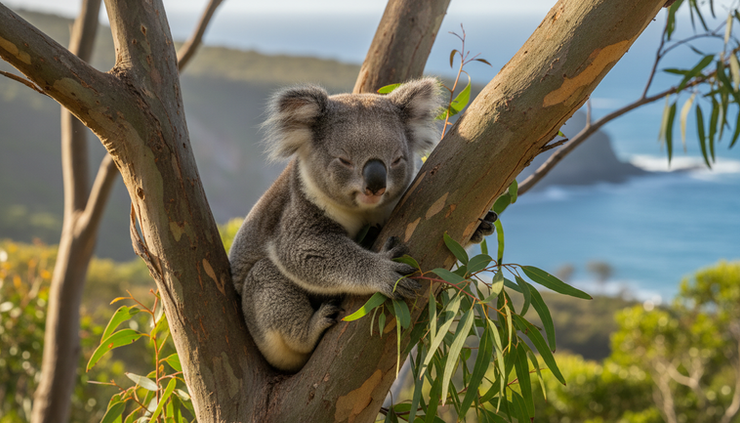
Koalas are often associated with the eucalypt forests around the Otways and nearby coastal areas. Sightings are never guaranteed because they are wild animals, not exhibits.
Responsible koala viewing
Responsible wildlife viewing keeps both animals and people safe.
Keep your distance.
Do not feed wildlife.
Do not touch koalas or other animals.
Keep noise low.
Stay off private property.
Follow local signs and guide instructions.
Wild Side Melbourne’s Great Ocean Road tour includes time in places where visitors may see wildlife in natural habitat, while encouraging respectful viewing rather than staged encounters.
Best time of year to visit
The Great Ocean Road can be visited year-round.
Summer brings longer daylight and warmer weather, but it can also mean more visitors and busy roads.
Autumn often has milder conditions and softer light.
Winter can be dramatic, with bigger seas, cooler temperatures, and fewer crowds.
Spring brings wildflowers, fresh greenery, and changeable weather.
The best time depends on what matters most: daylight, quieter stops, photography, surf, wildlife, or comfort.
Weather considerations
Weather along the Great Ocean Road can change quickly. The coast may be windy even when Melbourne is calm. Rain can move through fast, and summer heat can increase fire risk in surrounding areas.
Bring layers, a rain jacket, sun protection, comfortable shoes, and water. For beach access at places like Gibson Steps, conditions can change with tide and swell.
Can the Great Ocean Road be done in one day from Melbourne?
Yes, the Great Ocean Road can be done in one day from Melbourne, but it is a long trip. A one-day visit works best when the route is planned carefully and the main stops are prioritised.
A typical day tour may include:
Early departure from Melbourne
Coastal towns and lookouts
Memorial Arch
Wildlife viewing opportunities
Rainforest or Otway stops where time allows
Twelve Apostles
Loch Ard Gorge
Return to Melbourne in the evening
Driving yourself gives flexibility, but it also means managing long distances, traffic, narrow coastal sections, parking, and fatigue. A guided day tour reduces the driving load and gives context about history, geology, wildlife, and local places.
Wild Side Melbourne’s Great Ocean Road tour
Wild Side Melbourne offers a Great Ocean Road tour for travellers who want to see the major sights without planning every detail themselves.
The tour naturally suits visitors who want:
A day trip from Melbourne
The Twelve Apostles and nearby limestone coast
Stops with historic and natural context
Wildlife viewing where conditions allow
A guide who explains the road’s war memorial history and coastal environment
It is not just transport to a lookout. The value is in the route, the timing, the stories, and the way each stop connects to the larger history of the coast.
Key takeaway for planning your visit
The Great Ocean Road is a road trip, a heritage place, a war memorial, and a changing coastal environment. The Twelve Apostles are the most famous stop, but the full story includes returned servicemen, Traditional Owner connections, limestone geology, shipwreck history, rainforest, and wildlife.
A day trip from Melbourne is possible if you start early and plan well. Whether travelling independently or joining Wild Side Melbourne, allow enough time to understand what you are seeing, not just photograph it.


Comments